

 29th Nov
Dr. Anurag Chatterjee — MBBS (HONS) | MS General Surgery | MCh Urology & Renal Transplant
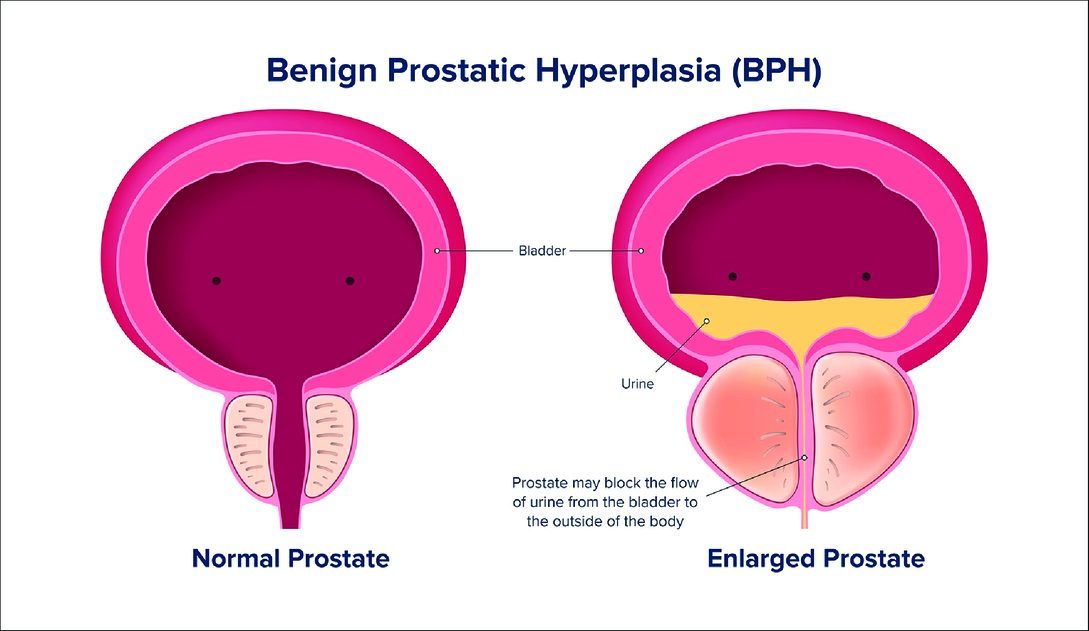
Benign Prostatic Hyperplasia (BPH), commonly known as an enlarged prostate, is a non-cancerous growth of the prostate gland that affects many men above the age of 50. As the prostate enlarges, it begins to compress the urethra—the tube that carries urine—leading to difficulty in urination and various urinary symptoms.
Although BPH is not cancer, untreated enlargement can significantly affect quality of life and may lead to complications like urinary retention or bladder damage.
Symptoms vary based on the degree of enlargement. Common signs to watch out for include:
Seek immediate medical attention if you experience:
Early diagnosis helps prevent complications and ensures effective treatment. A urologist may recommend:
Modern medicine offers several effective treatments tailored to symptom severity, prostate size, and patient health. Two of the most advanced and widely used procedures are:
HOLEP is a cutting-edge laser procedure that removes the obstructing prostate tissue using a holmium laser.
TURP is a gold-standard surgical method where excess prostate tissue is shaved off using an electrical loop.
Simple lifestyle changes can help reduce symptoms and improve quality of life.
Quick and easy appointment booking for your medical consultation.
BPH is common, suffering is not—early diagnosis can restore comfort and confidence.
These modifications help reduce urgency, improve urinary control, and slow the progression of symptoms.
BPH is a common condition but highly manageable with timely diagnosis and the right treatment approach. Advanced procedures like HOLEP and TURP offer excellent outcomes with minimal downtime. If you’re experiencing persistent urinary symptoms, consult a urologist early to prevent future complications.
Providing advanced urology, renal transplant, and robotic surgical care with precision, compassion, and the most modern medical technologies.
© Copyright 2018-2026 Dr. Anurag Chatterjee | Developed by SASLAB | All Rights Reserved.


